
Visit Llanidloes · Heritage
Llanidloes Heritage
From Roman roads and a Celtic saint to a Norman castle, a Chartist riot, and a thriving Victorian lead mining and flannel industry.
Part of Visit Llanidloes · the story of the town.
Visit LlanidloesAbout
Heritage
Llanidloes is a town rich in history. Tumuli on the summits of the hills around bear testimony to human habitation in the area from the earliest times, while the Romans built roads and mined for lead here during the first centuries of the new age.
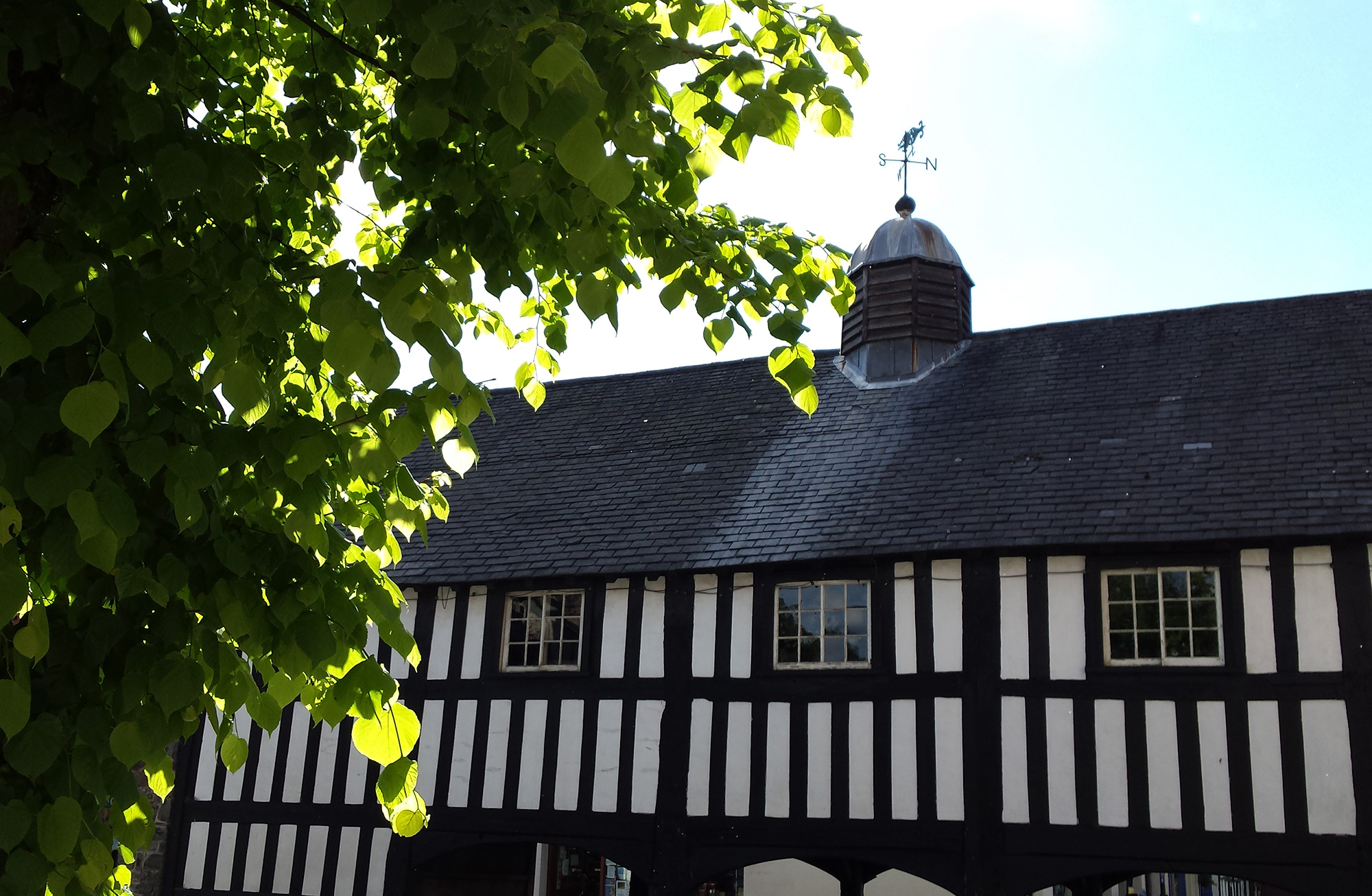
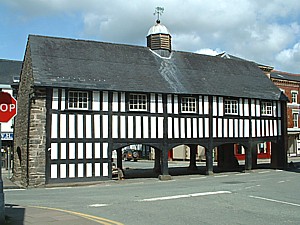
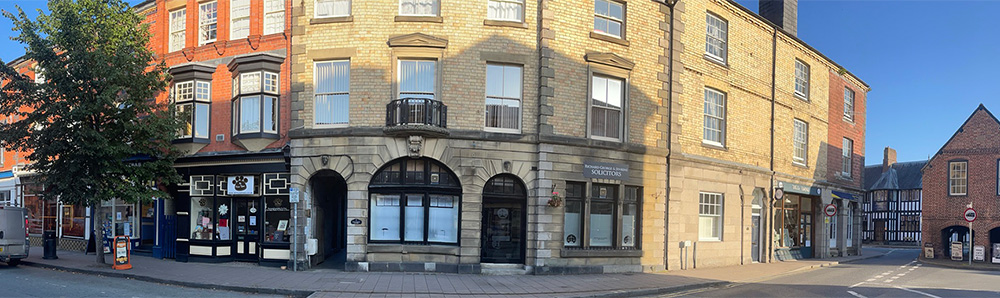
The origins of Llanidloes as we know it today go back to the seventh century, when the Celtic Saint Idloes laid the foundations of a church on table land overlooking the Severn. The town began to expand after the Norman Conquest of Britain in 1066, when a motte and bailey castle was constructed at the then western end of the town, on the site where the Mount Inn and the town's Community Centre now stand. In 1280 Llanidloes obtained its first Charter, granted by Edward I, followed in 1344 by a Charter making the town a self governing borough, a status retained until as recently as 1974. The layout of wide streets forming the shape of a cross that make up the heart of the town originated at this time, with the Old Market Hall, the only half timbered hall of its kind in Wales still in its original position, constructed on the centre of the cross early in the 1600s.
Llanidloes has always been an industrious place, gaining renown at several periods of its history for the quality of its wool in the 16th century, and its flannel during the 18th and 19th centuries. Perhaps the most striking single incident in Llani's long history grew out of the depression in the flannel industry and the movement for political reform in the 1830s. Llanidloes was not unique in having a Chartist movement, but at the end of April 1839 a collection of circumstances led to a riot that effectively overthrew the constituted authority of the town's officials for five days, until troops could be mustered to "restore order". Llanidloes remained an occupied town for a whole year, while a number of trials saw sentences of transportation and imprisonment imposed on over a hundred people.
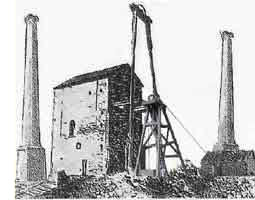
During the mid 19th century the area developed a lead smelting industry, processing ore mined from the local Van and Bryn Tail lead mines. At this time the population of Llanidloes was swollen to near double the 2,500 inhabitants in residence today. This population explosion has left its mark on the town, not least in the somewhat ungodly mix of five chapels of various denominations, not to mention the venerable old church of St Idloes, co-existing with double the number of public houses. Indeed, the present Town Hall was originally constructed as a temperance hotel, a gift of the Davies family of Plas Dinam, who were concerned with the drunkenness prevalent in the town at the turn of the last century.
Llanidloes was also an important route centre in the heyday of the railways, no less than three railway companies having had their offices in the imposing Victorian station building constructed in 1864.
Heritage remains important to Llanidloes, as can be seen from the recent redevelopment of the town's museum, the restoration of the Old Market Hall, and the creation of the Minerva Arts Centre as a home for an important collection of Welsh heritage quilts.
Plan your visit
Accommodation, Eat & Drink, Shops and Services in Llanidloes

Run a business or organisation in Llanidloes?
Get in touch to find out more about joining the llanidloes.com website.